
Some RÜFÜS DU SOL fans have “5:46” tattooed on their skin. It’s the point in “Innerbloom” when the synth melody they’ve been waiting for arrives. Eleven years to the day after the original came out, Hans Zimmer and his composer collective Bleeding Fingers have given them a new way to hear it. On “Innerbloom XI,” a xylophone gives way to that familiar figure after strings, woodwinds and horns have had a turn with the song.
Out through Reprise Records, the anniversary recording keeps Tyrone Lindqvist’s voice at the center. Low horns leave space around his vocal. A separate woodwind melody answers him, and timpani give the strings a firm downbeat as the sound swells. There’s plenty for a longtime listener to recognize before the synth returns, especially in the way Lindqvist holds a phrase while the music moves underneath him.
How Hans Zimmer scores “Innerbloom XI”
Zimmer made the arrangement with Bleeding Fingers, the collective he co-founded to compose for film and television. A dance producer approaching the original has a ready-made point of entry in its pulse. A scoring ensemble has a different set of decisions to make. A horn can sustain a note past the end of a vocal line. A timpani strike can mark the crest of a phrase. The woodwinds can play a separate line that the ear follows away from the singer and back again.
One of the quieter choices on “Innerbloom XI” is also one of the most effective. After the massed strings, the xylophone pares the texture down to individual notes. It leaves room for the electronic figure to come back into focus. That sound belongs so distinctly to the original that its return draws a line between the two recordings without a word from Lindqvist.
The band has handed its recordings to other artists before. On Inhale / Exhale Remixed, Adriatique took on “In the Moment” for a collection that also drew on the club sensibilities of Carlita and Sofia Kourtesis. With Zimmer, the trio chose collaborators whose usual job is to decide what an audience should hear while it watches a scene unfold.
The chords that closed Bloom
“Innerbloom” came out in November 2015, ahead of the trio’s second album, Bloom. When the album arrived the following January, it was the last song on it. In a triple j interview, the three musicians traced the record back to an evening spent playing a few chords. They had been listening to atmospheric music before returning to Australia. They followed the progression long enough to find a song in it.
The first live performance gave them a glimpse of how other people would hear it. Jon George recalled seeing people cry before they could have known the song. Lindqvist had a similar experience years later when the chords caught him off guard in a yoga class. “I just heard the chords and crumbled,” he told Apple Music. Even for the person singing it, the record could arrive unexpectedly.
The original has also lived outside a conventional concert setting. The band performed it for Live from Joshua Tree, their desert performance film. Heard alongside “Innerbloom XI,” that performance offers another way to pick out what survives each arrangement: Lindqvist’s voice, those opening chords and the long wait for the melody to resolve.
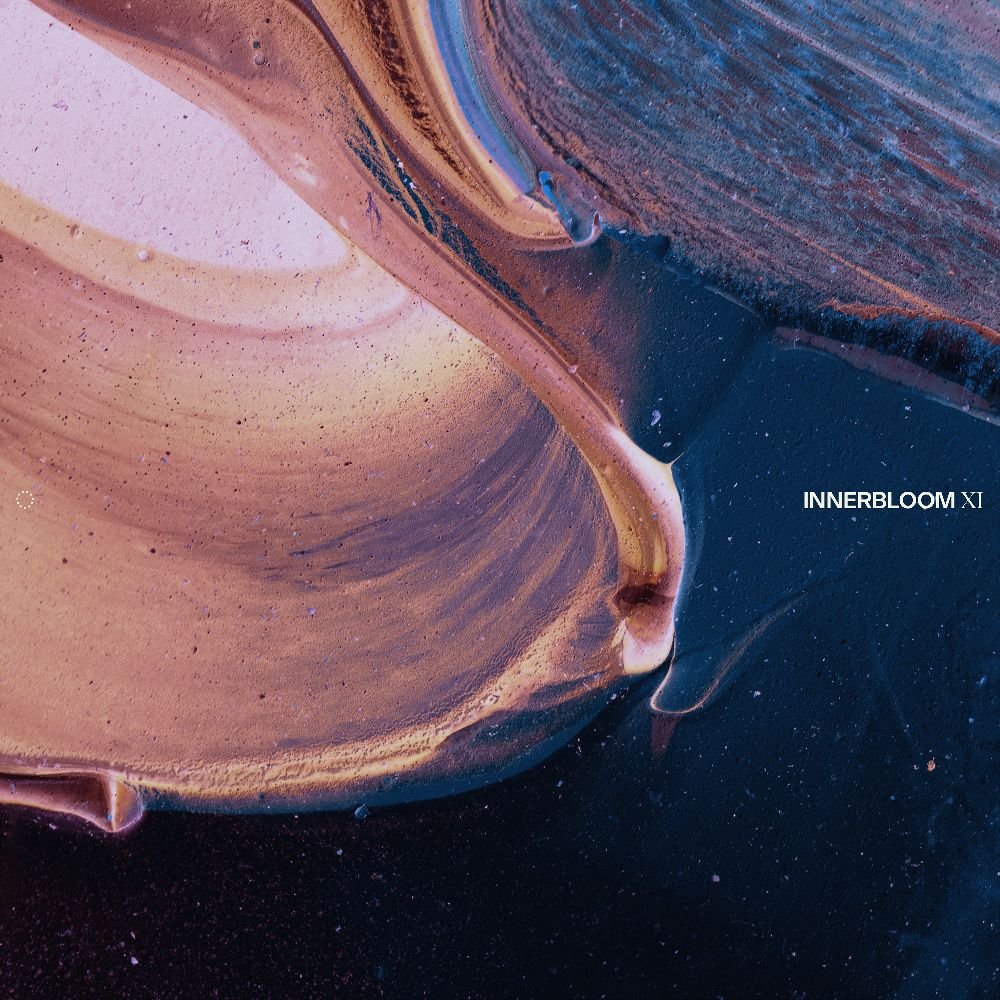
That history gives the filmmakers an unusual brief. Plenty of viewers already have an image in mind when those notes start. For the “Innerbloom XI” film, Katzki and visual artist Thomás Blanchard returned to the idea behind the original video. They photographed paint up close with macro lenses, capturing the movement in-camera. On screen, something small enough to sit in front of a lens looks almost planetary. With the strings filling the space around Lindqvist’s voice, it’s worth watching as well as listening.
Discover more from I WANT EDM
Subscribe to get the latest posts sent to your email.