
A man in his 40s died and five other people were taken to hospital after medical emergencies at Dreamstate Australia in Sydney. NSW Health classified two of the hospital transfers as urgent and three as non-urgent. Police said several patrons became ill at about 11:30 p.m. on Saturday, February 7, 2026.
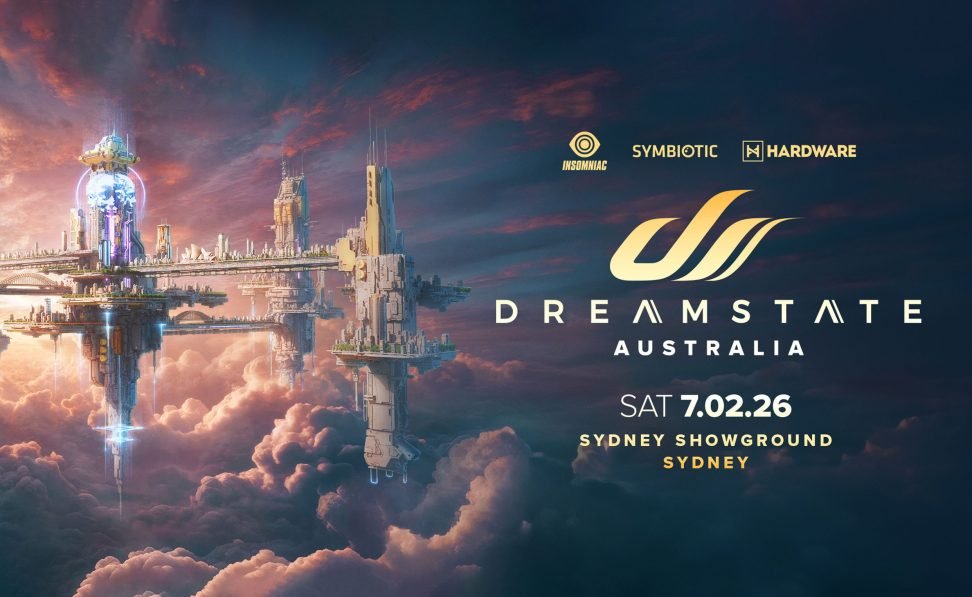
The event took place at Sydney Showground, inside Sydney Olympic Park. Insomniac’s event listing shows the trance and techno festival was scheduled to run from 2 p.m. until midnight. The first police account placed the medical emergencies in the final half hour of that program.
What NSW Health reported after Dreamstate Australia
In its account to ABC News, NSW Health gave a breakdown of the five people transferred to hospital. The man who died was reported separately. Police established a crime scene and began investigating the circumstances. The initial statements from police and health officials did not establish a cause of death.
John Graham, the state’s minister for music and the night-time economy, said a safety action plan was in place for the festival. NSW Health described the measures used at festivals across the state, including medical teams, chilled drinking water, spaces to cool down and workers who provide health advice. Graham confirmed that the state’s trial drug checking service did not operate at the Sydney Showground event.
Why the state selected Laneway that weekend
The decision drew questions in the New South Wales Parliament. At a March budget hearing, legislator Cate Faehrmann asked why officials had sent the drug checking team to Laneway when Dreamstate Australia was taking place the same weekend. NSW Chief Health Officer Dr Kerry Chant said the department had considered the expected crowd and the medical history of each event.
Chant told the committee that Laneway expected 45,000 people, compared with 16,000 at Dreamstate. Those figures were forecasts available to planners before the festivals. She also cited urgent transfers and intensive care admissions at past editions as factors in the decision. Her testimony explained how the state allocated the trial service that weekend. It offered no finding about what caused the emergencies in Sydney.
What changed after the festival weekend
Drug checking was still a trial in New South Wales when Dreamstate Australia took place. It was free and anonymous at participating festivals. Attendees could bring a sample for analysis and speak with trained staff about what the testing showed. For festivalgoers, the service offered a chance to speak to someone before deciding what to do with a substance. Medical teams had a separate role caring for people who became unwell.
The state selected 12 festivals for the trial between March 2025 and February 2026. Mighty Hoopla at Bondi Beach was the last event in the program, two weeks after the Sydney Showground festival. By then, staff at the first 11 events had recorded 1,810 visitors and tested 1,449 samples.
In September, following an independent evaluation led by the University of Sydney, the state committed $4.3 million to continue the service at selected music festivals. Evaluators compared participating events with earlier editions of the same festivals and found an association with fewer urgent drug-related hospital presentations and intensive care admissions.
NSW Health’s announcement said officials would consult festival organizers and harm reduction groups to identify up to 15 events a year. Size, location and other indicators of risk would inform which festivals received a team.
Related festival safety reporting from I WANT EDM: Crowd movement and water access at EDC Orlando.
Correction: An earlier version of this article gave the number of hospital transfers as six. NSW Health reported five. This report has also been updated with the parliamentary testimony and the results of the statewide trial.
Discover more from I WANT EDM
Subscribe to get the latest posts sent to your email.